published writing
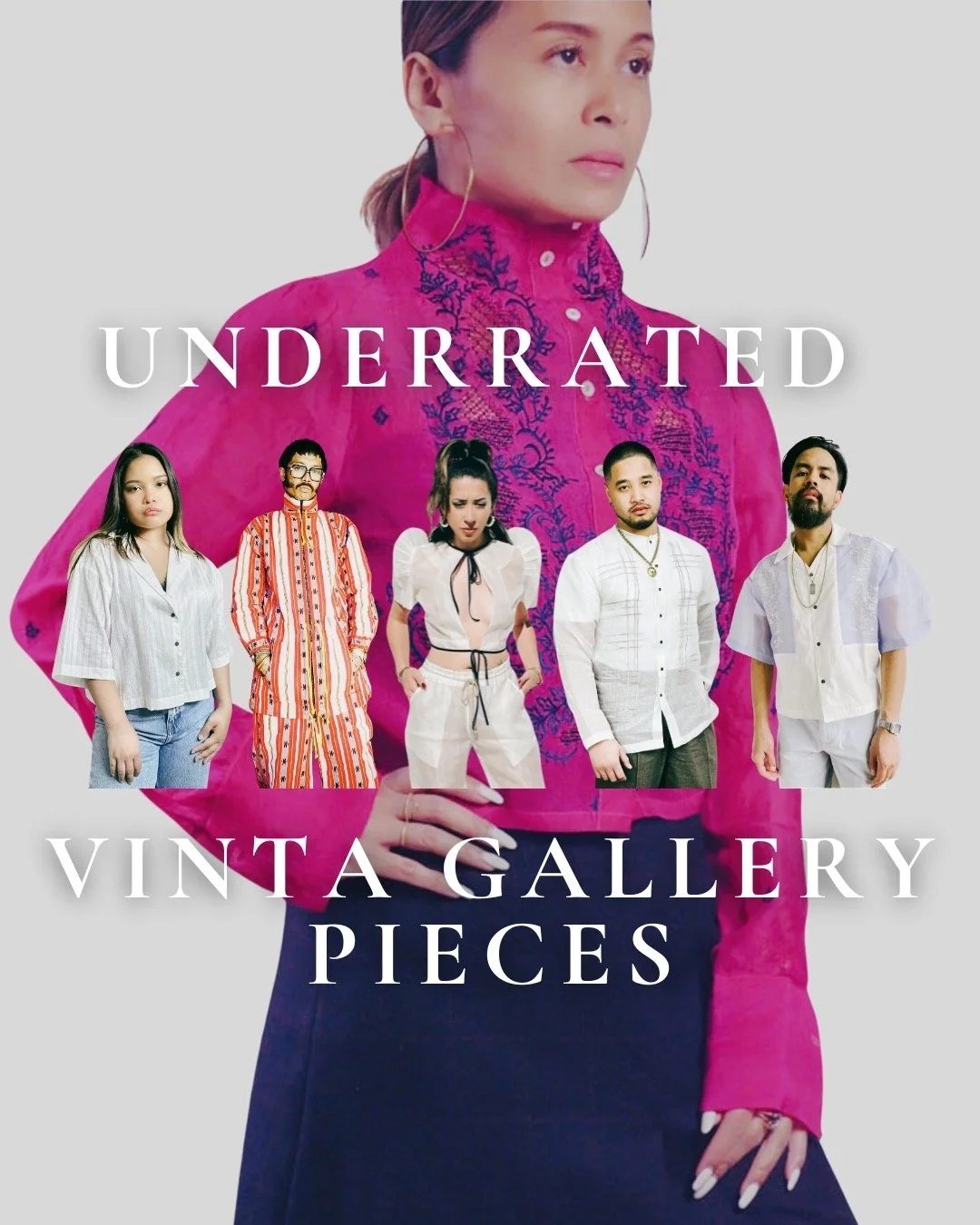
Underrated VINTA Gallery Pieces
You’ve been waiting for this—the Underrated VINTA Pieces is finally in blog form! You’ll see that most of the pieces featured are NOT cookie-cutter Filipiniana, because that’s not who we are. What we do is not your average cutesy girl-next-door Filipiniana. We’re all about elevating without compromising Filipino cultures.
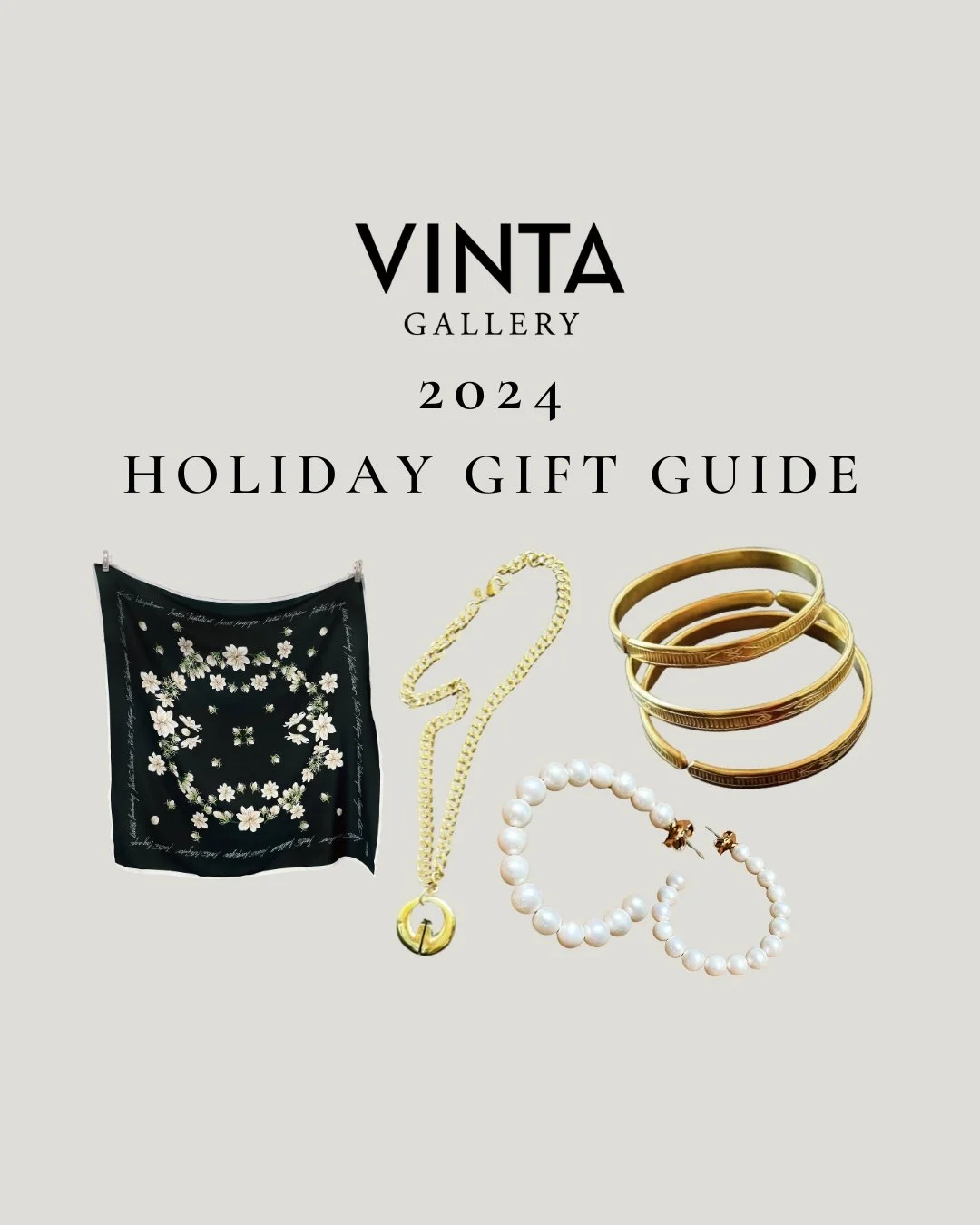
VINTA Gallery Holiday Gift Guide
T”he holidays are just around the corner, and if you’re on the hunt for meaningful, beautifully crafted gifts, we’ve got you covered. At VINTA Gallery, we’ve put together a selection of unique pieces that celebrate Filipino culture and craftsmanship. From elegant barongs and modern ternos to stunning jewelry and accessories, these gifts are more than just items—they’re stories, traditions, and artistry rolled into one…”
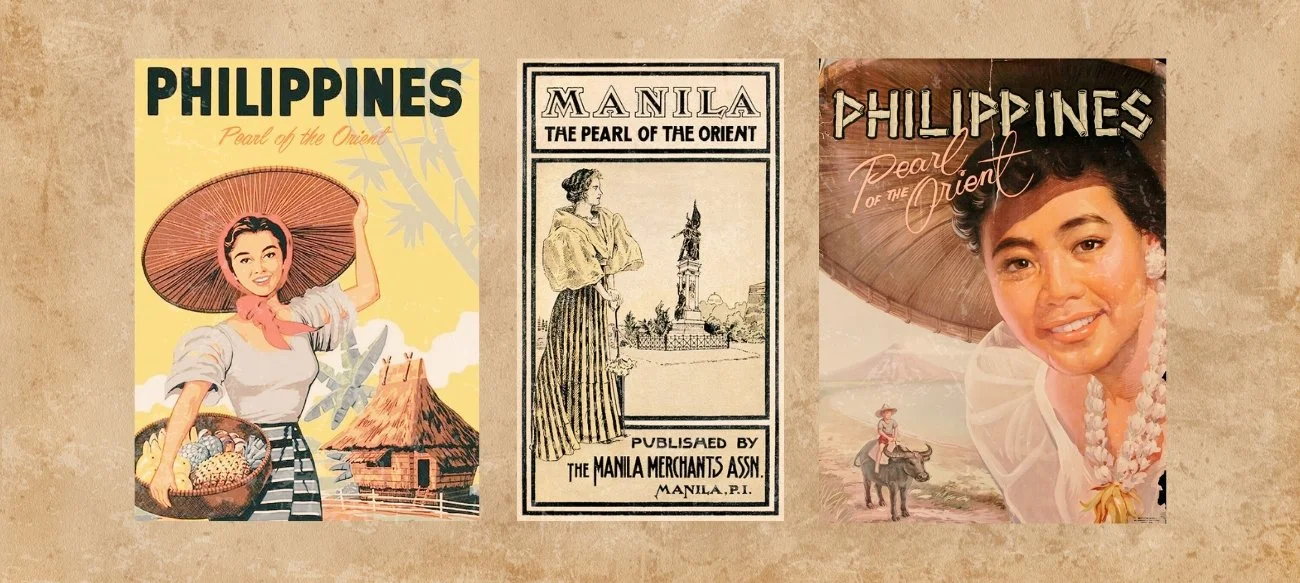
Pearl of the Orient Seas: What Does It Mean?
Have you ever wondered where the moniker “Pearl of the Orient Seas” comes from? Discover the term’s genesis, its cultural implications, and its impacts on today’s climate crisis.
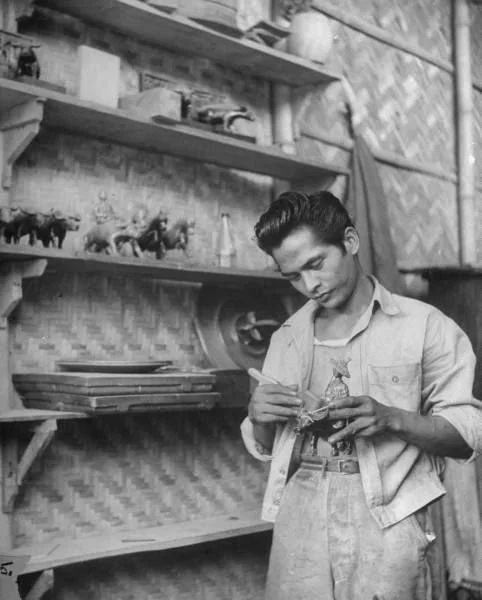
Filipino Dandies of the ‘30s and ‘40s
“Let’s celebrate the Filipino trendsetters of the 1930s and 40s
With the rise of American cinema in the Philippines, many Filipinos immigrated to the US in the 20s and 30s to live out the “American dream.” Unfortunately, the increase of Filipino immigrants prompted racist anti-Filipino protests by white Americans due to their quick assimilation to American culture.”
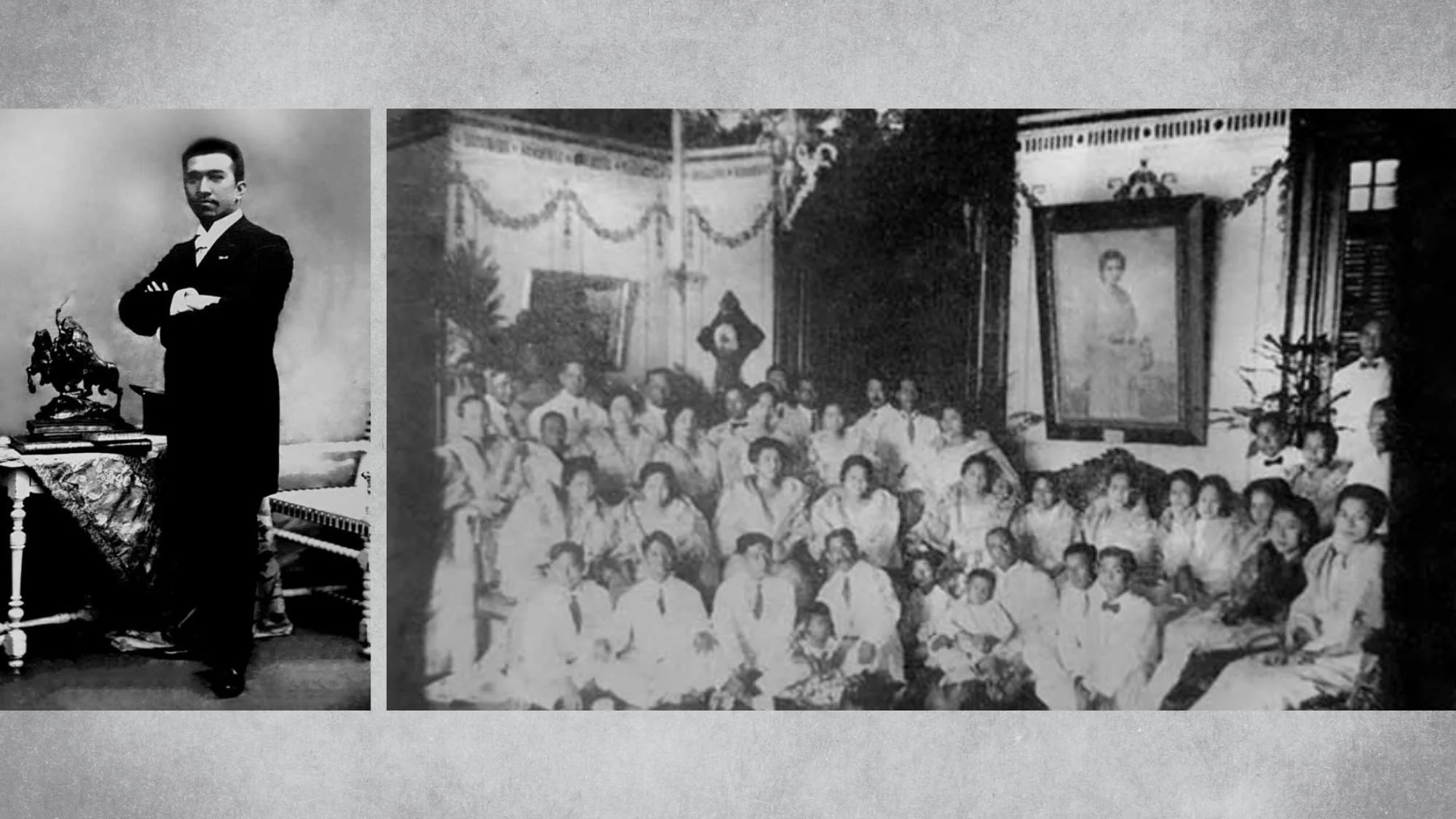
Mariano Limjap and the House of Limjap
“The House of Limjap began with Lim Cong Jap, a Chinese immigrant from Amoy (now Xiemen), in the 19th century. The tales of his journey to the Philippines is one of legends; one particular story that stuck in VINTA Gallery Founder, Creative Director, and Limjap descendent, Caroline Mangosing’s mind is that Lim Cong Jap snuck into a trading ship going from Amoy to Manila.”
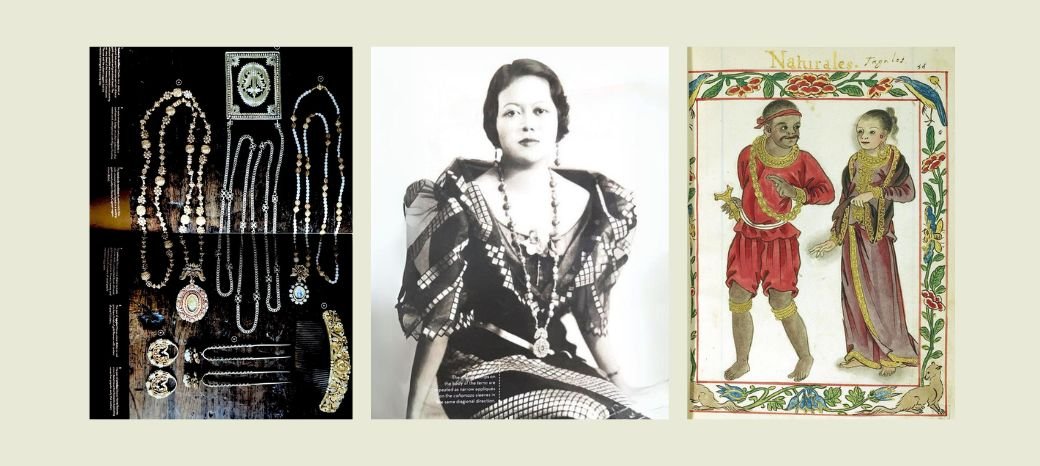
Tamborin: the Art of Capturing Air
“Tamborin; the art of capturing air.
Before the Spanish landed on Philippine soil, the archipelago was rich in gold, inspiring extensive Tagalog vocabulary for metallurgy and goldsmithing, confirming the complex process of jewellry-making…”
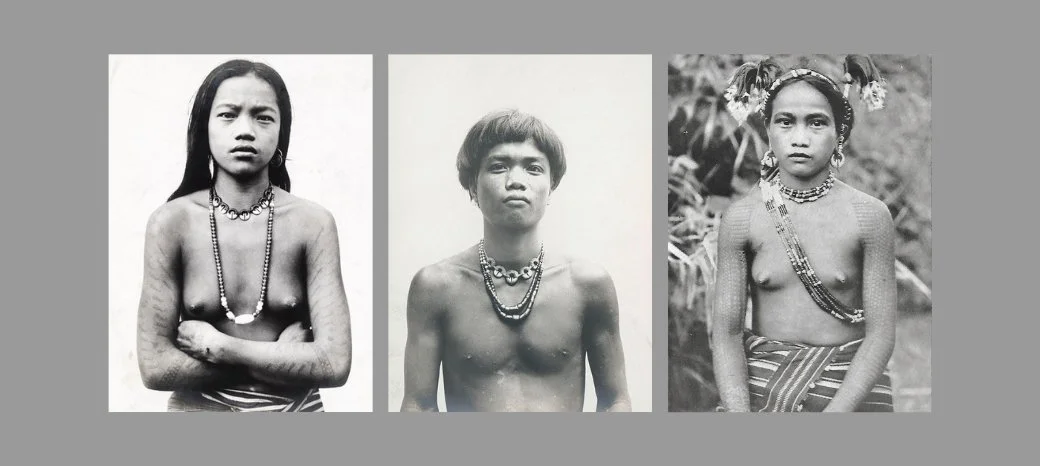
What Is A Lingling-o and What Does It Mean?
“The earliest surviving examples of lingling-o, dating back around 500 BC, were found in Taiwan, Vietnam, and the Philippines. They were made of nephrite jade and was first believed to have been manufactured in Vietnam, but recent discovery of a lingling-o workshop in Batanes indicates that these gold ornaments, mainly worn by Ifugao people to denote status (also the name, lingling-o, for this object came from what the Ifugao people called it), were manufactured over 2,500 years ago in the Philippines…”